
Natural mineral waters: understanding the industry’s guarantees, purity standards and commitments
Given the growing concerns about water quality, consumption and origin, it is becoming essential to understand what natural mineral water actually is. In France, natural mineral waters are strictly regulated to guarantee their safety, purity and natural qualities. The aim of this article is to provide reliable guidance to help you better understand what you are drinking, whether it be bottled water, spring water or tap water.
Purity, protection of the source, the absence of chemical treatment, and a stable mineral content: these are all criteria that set natural mineral waters apart from other types of water available on the market, whether bottled or tap water.
Understanding the uniqueness of natural mineral waters
Water plays a central role in health and nutrition at all stages of life. However, media reports and certain data published on news websites have cast doubt on the quality of some bottled waters.
There are genuine differences between natural mineral waters, mineralised waters, spring water, sparkling water, still water and drinking water, and it is important to recognise and understand these. Not all waters are the same, and not all come with the same guarantees for human consumption.
It is against this backdrop that the Maison des Eaux Minérales Naturelles (MEMN) has launched a major national campaign, reiterating a fundamental principle :
“The designation ‘natural mineral water’ is not a given. It has to be earned.”
What is natural mineral water? The key criteria
A protected underground source
Natural mineral water must come from a deep underground source, protected from all pollution. This source is protected by a regulated zone and is subject to constant monitoring. In France, some sources are located in exceptional settings.
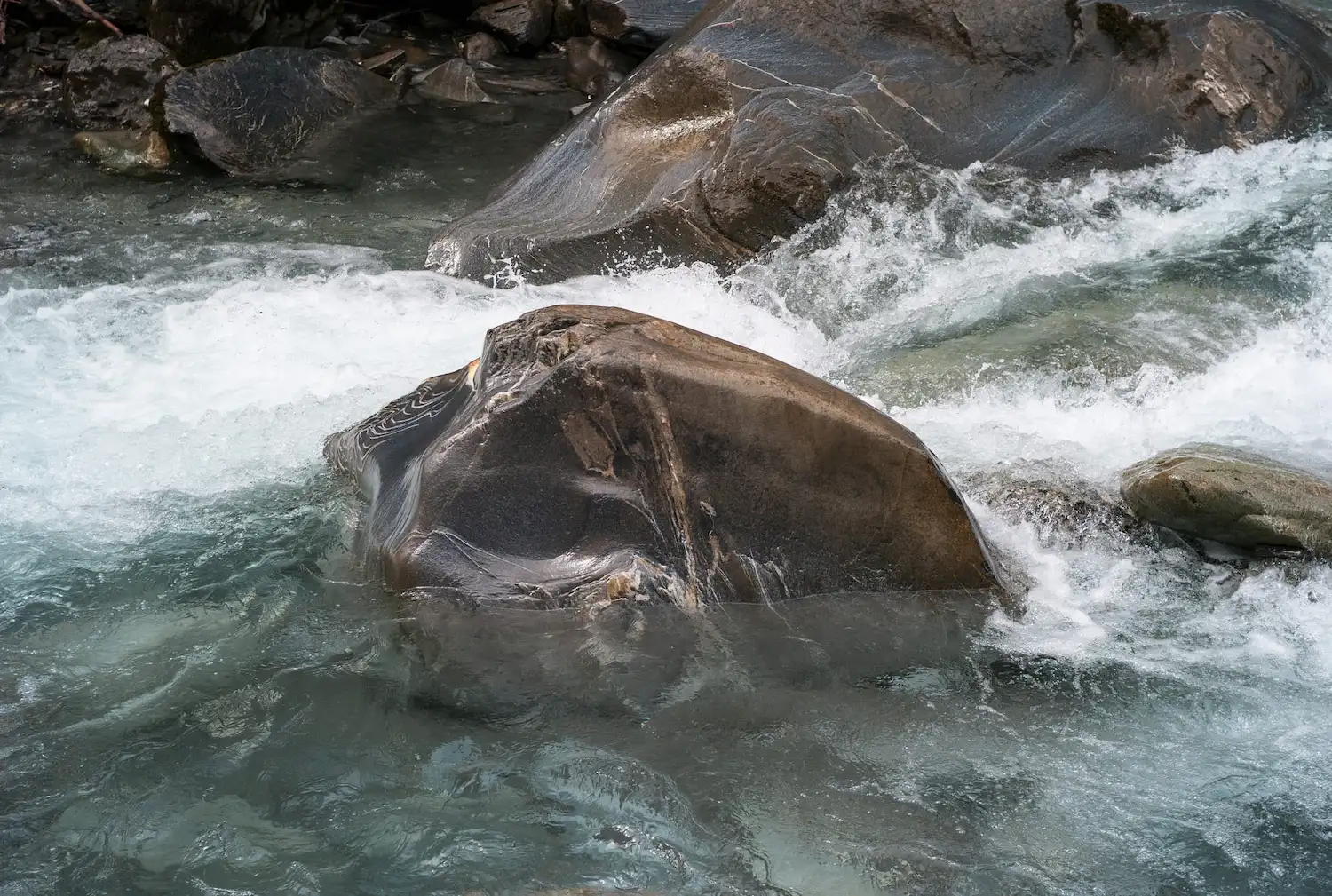
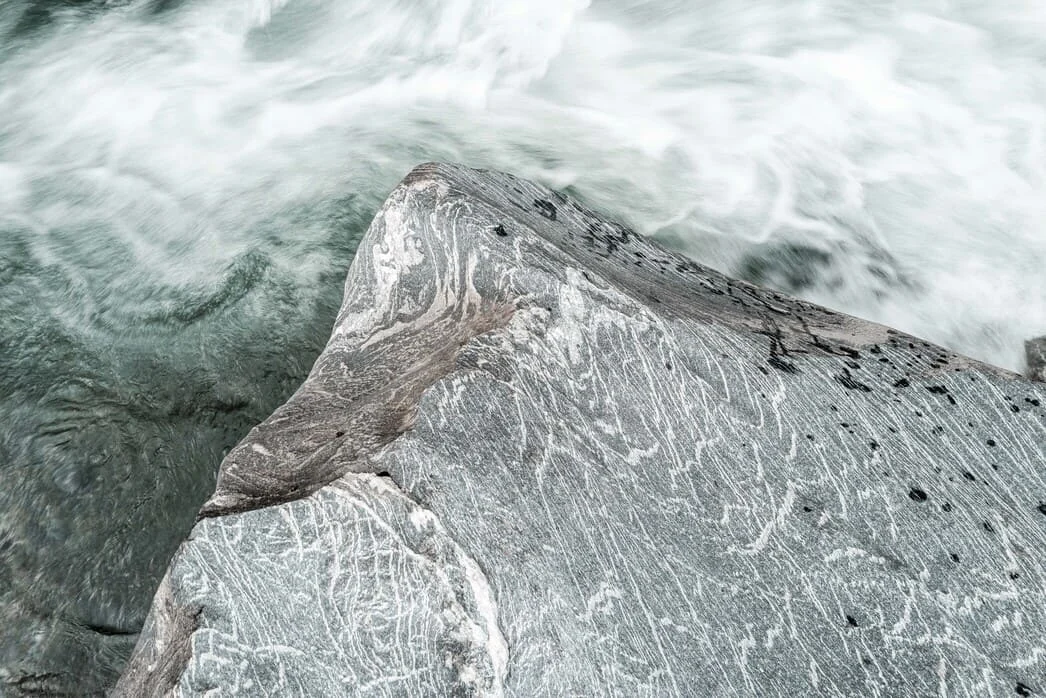
À Bonneval, the water comes from rain, snow and glaciers. It seeps slowly through the rock for over 2,000 years before gushing forth pure in the heart of the French Alps, without the need for drilling, guaranteeing a natural source and maximum safety.
Unadulterated, natural purity
Unlike tap water, natural mineral water must not undergo any chemical treatment. It must not be disinfected, adjusted or altered. This requirement is reiterated by the health authorities and the Academy of Medicine, which emphasises the importance of preserving the water’s natural properties.
This lack of processing ensures consistent quality, without the addition of chemicals, and a high level of consumer confidence.
A stable mineral composition
The composition of natural mineral water must remain stable over time. Its mineral content is measured by the dry residue, expressed in milligrams per litre. This figure allows for a comparison between different natural mineral waters, some of which are richer in minerals such as calcium, magnesium or bicarbonates.
The mineral composition of Bonneval : a natural balance
Bonneval natural mineral water is characterised by its balanced mineral content. Its stable mineral composition gives it a unique taste and recognised benefits for digestion and overall wellbeing.
In particular, it provides calcium, contributing to the recommended daily intake without exceeding it. Bonneval has a well-balanced mineral profile, making it suitable for regular consumption.
Natural mineral water, spring water, tap water: how do you tell the difference?
All the types of water available on the market are designed to meet different needs.
- Spring water is naturally drinkable, but its composition can vary.
- Natural mineral water has a stable composition and is recognised for its properties; it retains its original purity and is untreated.
- Tap water, which comes from the public water supply and has various sources, is monitored but may undergo treatment.
Whether you choose one bottle of water or several depends on its composition, price, the season (particularly in summer), your age, your lifestyle and the food you eat on a daily basis.
The MEMN: a key role in ensuring transparency in the sector
The Maison des Eaux Minérales Naturelles brings together several long-established French brands. It works to protect the springs, safeguard the designation, and disseminate reliable articles and data to the public and medical authorities.
Its work is driven by a simple rationale: to preserve scarce resources, ensure their security and pass on expertise that is recognised both in France and internationally.
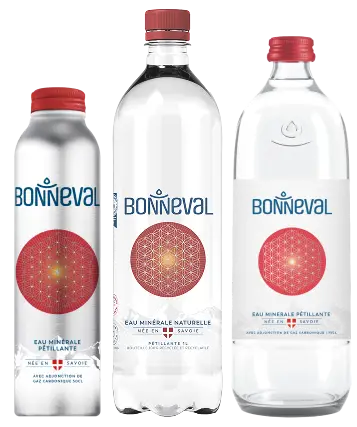
Bonneval: a clear natural mineral water
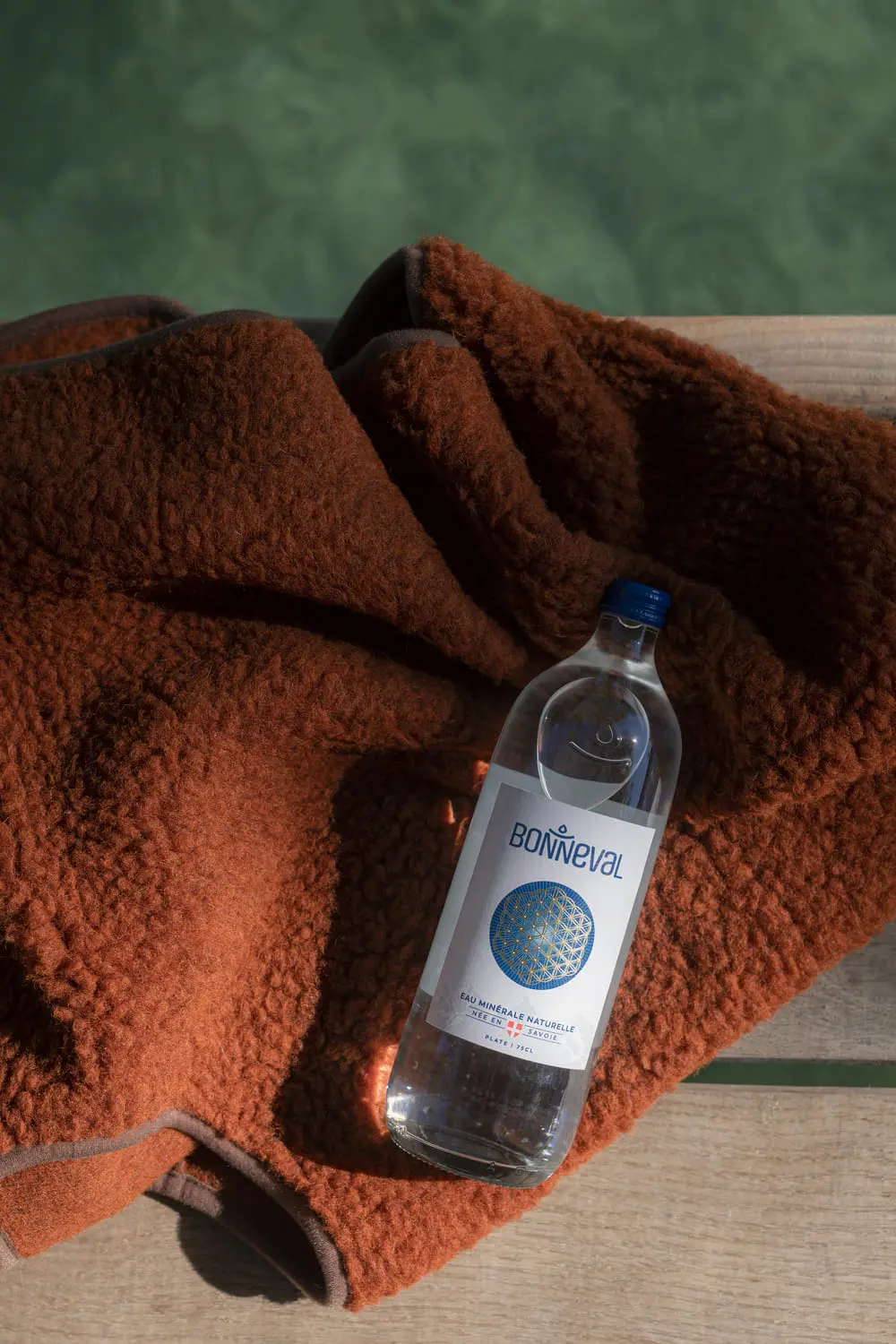
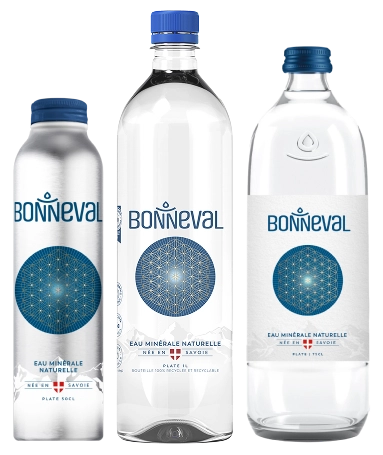
Bonneval is a natural, untreated French mineral water, sourced without the need for drilling. It complies with a strict regulatory framework and contains no additives. Its protected catchment area, the sustainable extraction of its natural flow (up to 20 per cent) and its geological journey ensure a sustainable resource.
This water is for those who want to see, know and understand what they are drinking, with complete confidence.
Conclusion: hydration based on natural ingredients
Natural mineral waters are rare waters, shaped solely by nature. Their purity is not the result of any treatment, but of a preserved environment and the passage of time. In a world where information travels fast, it is important to rely on verifiable facts and clear commitments.
Choosing a natural mineral water such as Bonneval means opting for safe, transparent hydration that captures the very best that nature has to offer.